Minoxidil side effects worry many first-time users enough that they stop too early, often right when the product is starting to work. Understanding which reactions are a normal part of adjusting to treatment and which signal a real problem makes it much easier to stick with a routine that generally needs months to show results.
Quick answer
Common minoxidil side effects include scalp dryness, itching, and a temporary increase in shedding during the first 2–8 weeks, both of which are usually normal signs the hair cycle is resetting. Rarer effects include unwanted facial hair growth, rapid heartbeat, or dizziness, which should prompt stopping use and checking with a doctor.
The most common minoxidil side effects
| Side effect | How common | What it means |
|---|---|---|
| Scalp dryness or flaking | Common | Often from the alcohol-based solution base; try foam or add a gentle moisturiser |
| Itching | Common | Usually mild and settles within a few weeks |
| Initial shedding | Common, often alarming | A normal sign the hair cycle is resetting to grow new hair |
| Irritation at the application site | Occasional | May improve by switching from liquid to foam formula |
Why minoxidil causes initial shedding
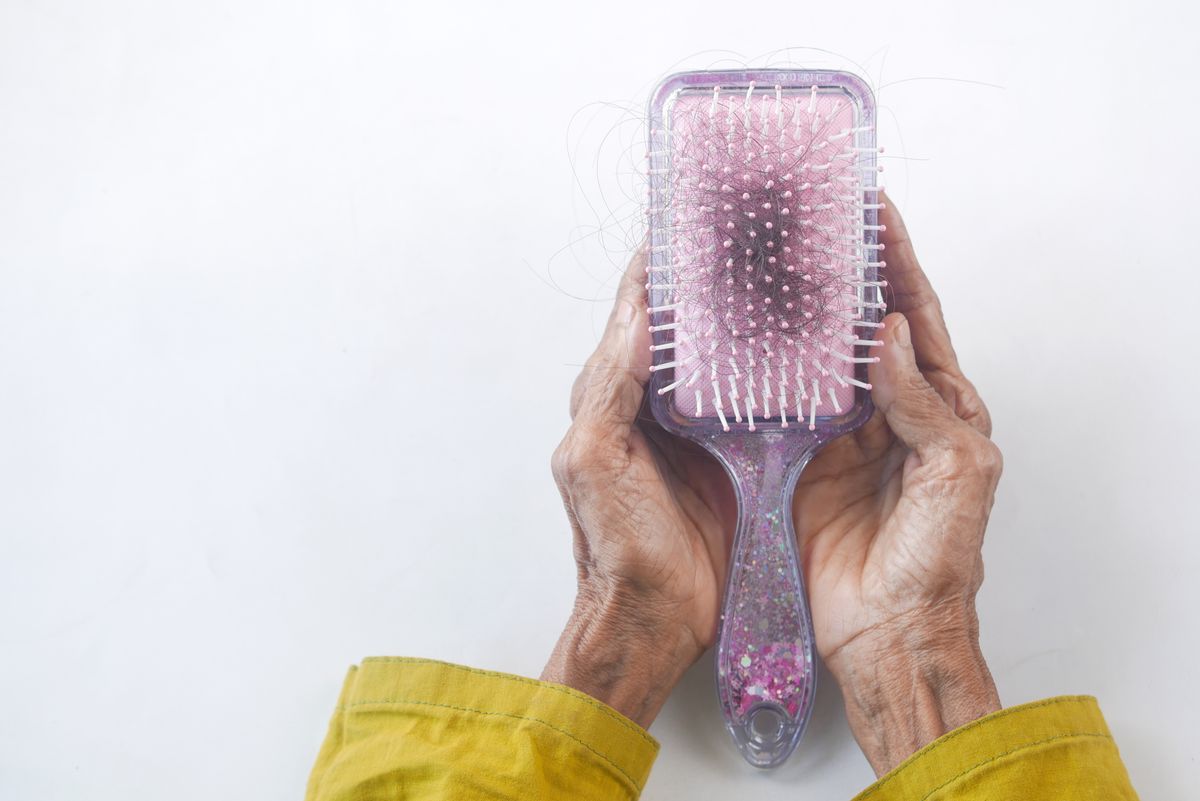
Minoxidil pushes resting hair follicles into a new growth phase, which means some hairs that were going to fall out anyway do so sooner and more visibly, often in a noticeable clump around weeks 2 to 6. This shedding phase, while unsettling, is generally considered a sign the product is working rather than a sign to stop, and it typically resolves within a few weeks as new, thicker hairs begin growing in.
Less common but still manageable side effects
| Side effect | Note |
|---|---|
| Facial hair growth | Can occur if the solution spreads beyond the scalp; apply carefully and wash hands after use |
| Headache | Occasional, often linked to a sensitivity to the alcohol base |
| Changes in hair texture | Some people notice slightly different texture in regrowing hair |
| Dandruff-like flaking | May improve with a gentler, fragrance-free scalp routine alongside treatment |
Rare but serious minoxidil side effects
Because minoxidil was originally developed as a blood pressure medication, a small number of users experience systemic effects such as a rapid or irregular heartbeat, dizziness, swelling in the hands or feet, or chest pain, particularly at higher concentrations or with higher-than-recommended use. These are uncommon with standard topical use but should be taken seriously and reported to a doctor promptly.
| Serious symptom | Action |
|---|---|
| Rapid or irregular heartbeat | Stop use and see a doctor promptly |
| Unexplained swelling in hands, feet or face | Stop use and seek medical advice |
| Chest pain or shortness of breath | Seek medical attention immediately |
| Severe dizziness or fainting | Stop use and consult a doctor |
Reducing the chance of side effects
- Apply only the recommended amount; using more does not speed up results and raises side effect risk.
- Let the solution fully dry before lying down or covering your head, to limit transfer to other areas.
- Wash your hands thoroughly after each application.
- Try the foam version if the liquid, alcohol-based solution irritates your scalp.
- Give your scalp a break from other harsh products while adjusting to minoxidil.
Minoxidil side effects in women vs men
Women are more likely to report unwanted facial hair growth as a side effect, often linked to using a concentration or amount meant for men rather than a women-specific formula, so checking the correct strength matters. Both men and women can experience the same initial shedding phase and scalp irritation, and the general precautions apply to both equally.
How long do side effects usually last?
| Side effect | Typical duration |
|---|---|
| Initial shedding | 2–8 weeks, then improves |
| Scalp dryness or itching | Often settles within a few weeks of consistent use |
| Irritation from the solution base | May persist until switching formula or reducing frequency |
For more on realistic expectations and how minoxidil fits into a broader plan, and how it compares with other options in our hair fall treatment guide, consistency over months matters more than any single week’s side effects.
When to simply switch formulations
If dryness or irritation from the liquid solution is the main complaint, trying the foam version, which typically contains less alcohol, often resolves the issue without needing to stop treatment altogether. Reducing from twice daily to once daily under medical guidance is another option some people use to manage mild, persistent irritation while still getting a meaningful dose.
Tracking side effects vs progress together
Keeping a simple note of both side effects and visible changes, rather than focusing only on one or the other, helps separate a normal adjustment phase from a genuine problem. Many people who stop in week 3 because of shedding never see the regrowth that often follows by month 4 to 6.
Minoxidil side effects and other medications
People already taking blood pressure medication, or other drugs that affect heart rhythm, should mention topical minoxidil use to their doctor, since an interaction, while uncommon with topical use, is more likely in this group. This is a simple conversation that takes a few minutes at a regular check-up and adds a useful layer of safety for anyone with an existing heart or blood pressure condition, and it costs nothing to mention even if the chance of any interaction turns out to be low.
A sensible first-month approach
| Week | Focus |
|---|---|
| 1 | Apply correctly and consistently; expect no visible change yet |
| 2–4 | Watch for possible shedding; keep going unless serious symptoms appear |
| 5–8 | Scalp should feel more adjusted; irritation typically eases |
| 9–12 | Early fine regrowth may start appearing for some users |
Approaching the first three months with this kind of structured, patient expectation, rather than checking for results every single day, makes it much easier to tell a normal adjustment phase from an actual concern worth raising with a doctor. A monthly photo taken in the same lighting is usually more informative than a daily mirror check, which tends to magnify normal, short-term fluctuation.
What a pharmacist or doctor can help with
If side effects feel confusing or severe enough to cause hesitation, a quick conversation with a pharmacist about formula options, or a doctor about the specific symptoms, is far more useful than searching forums for reassurance. Many concerns that feel alarming in the moment, such as a particularly heavy shedding week, turn out to be well within the range doctors consider normal.
Everyday habits that reduce irritation
- Avoid washing hair immediately before or after application; leave at least an hour on each side.
- Skip other strong scalp treatments, like harsh anti-dandruff shampoos, on the same day if irritation is an issue.
- Keep the scalp area clean but avoid excessive scrubbing, which can worsen dryness.
- Protect the scalp from strong sun exposure, since a treated scalp can feel more sensitive.
- Store the bottle away from direct heat, which can affect how the solution behaves on application.
None of these habits speed up regrowth on their own, but they reduce the chance that manageable irritation turns into a reason to abandon a treatment that otherwise needs months of steady use to show its real effect. Small, consistent adjustments like these often make the difference between sticking with a routine for six months and giving up after three frustrating weeks.
See a dermatologist if
- Rapid or irregular heartbeat, chest pain, or fainting
- Significant swelling in the face, hands or feet
- Unwanted hair growth spreading well beyond the scalp
- Shedding that continues heavily beyond 3 months without any sign of new growth
Key takeaways
- Scalp dryness, itching and initial shedding are common minoxidil side effects and usually improve within weeks.
- Initial shedding is often a sign the hair cycle is resetting, not a reason to stop.
- Rare but serious side effects like rapid heartbeat need prompt medical attention.
- Switching from liquid to foam can resolve irritation for many users.
- Give treatment at least 3–6 months before judging results, side effects aside.
Frequently asked questions
Is shedding a normal minoxidil side effect?
Yes, a temporary increase in shedding during weeks 2–8 is common and often a sign the treatment is working.
What are the most common minoxidil side effects?
Scalp dryness, itching and initial shedding are the most frequently reported side effects.
Can minoxidil cause a rapid heartbeat?
It can, rarely, since minoxidil was originally a blood pressure medication; this should be reported to a doctor.
Do minoxidil side effects go away?
Most common side effects like dryness and shedding improve within a few weeks of continued use.
Does minoxidil foam have fewer side effects than liquid?
Many users find foam less irritating since it typically contains less alcohol than the liquid solution.
Should I stop minoxidil if I notice side effects?
Mild, common side effects usually do not require stopping, but serious symptoms like heart palpitations should prompt stopping and seeing a doctor.
Most minoxidil side effects are mild and temporary, and understanding the difference between normal adjustment and a genuine problem helps users stay consistent long enough to see real results.
This article is for general information only and is not medical advice. It has not been reviewed by a doctor. For any skin or hair condition, consult a dermatologist.
