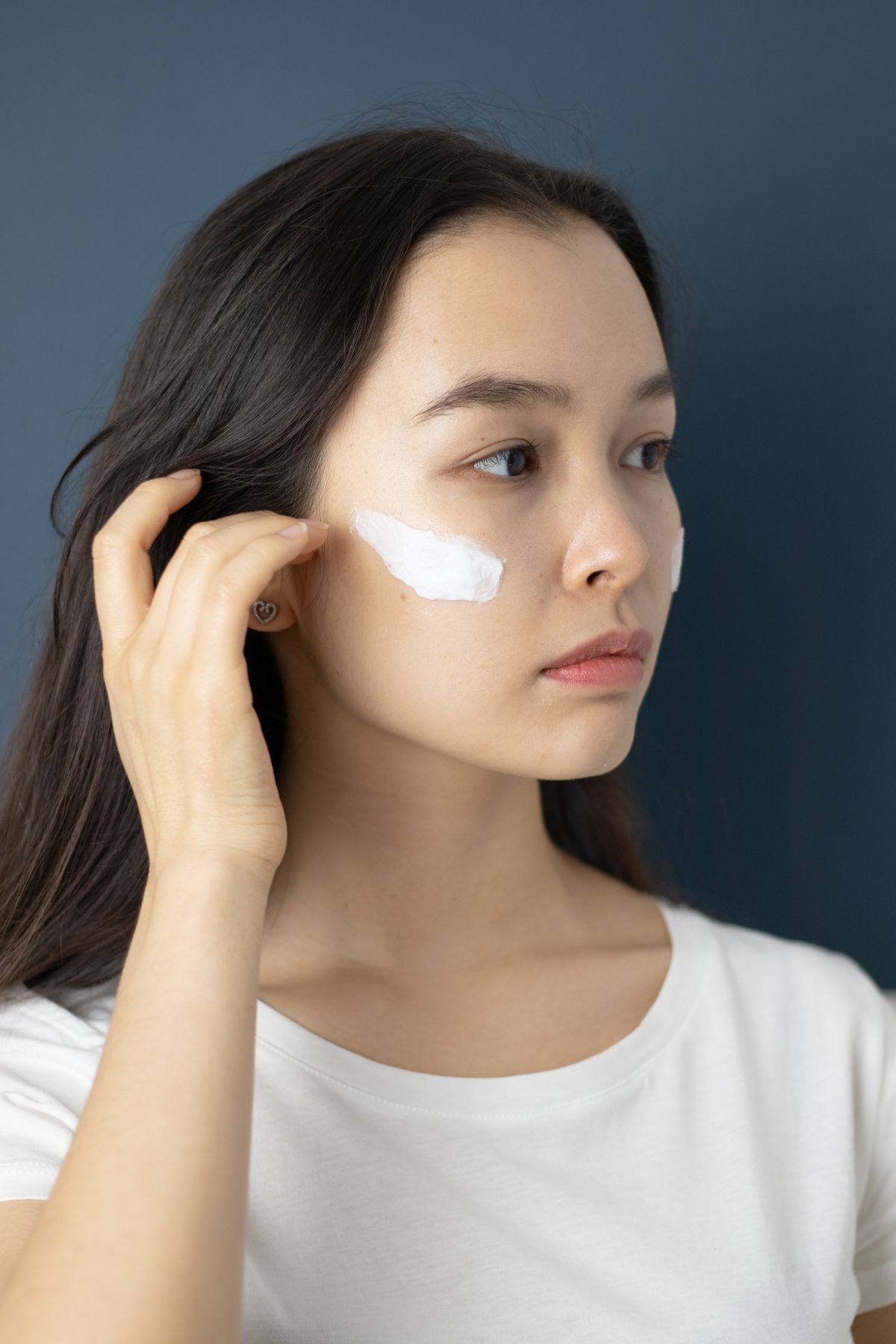
Ceramide is one of the most important but least talked-about ingredients in skincare, quietly holding the skin barrier together rather than delivering a dramatic, visible transformation. When this barrier weakens, from over-exfoliation, harsh weather or ageing, skin becomes more prone to dryness, sensitivity and irritation, which is exactly where ceramide-containing products step in.
Quick answer
Ceramide is a lipid naturally found in skin that forms the “mortar” holding skin cells together, maintaining hydration and protecting against irritants. Ceramide-containing moisturisers help restore a damaged or dry skin barrier, reduce sensitivity, and lock in hydration, suiting nearly every skin type, including sensitive, eczema-prone and acne-prone skin.
What ceramide does for the skin barrier
Skin’s outer layer works like a brick wall, with skin cells as the bricks and lipids including ceramide as the mortar holding everything together and sealing in moisture. When ceramide levels drop, due to ageing, harsh cleansers, over-exfoliation or environmental stress, this barrier weakens, leading to water loss, dryness, and increased sensitivity to irritants.
| Benefit | How it helps |
|---|---|
| Restores barrier function | Rebuilds the “mortar” between skin cells |
| Reduces water loss | Helps skin retain moisture more effectively |
| Calms sensitivity | A stronger barrier is less reactive to irritants |
| Supports other actives | A healthy barrier helps skin tolerate retinoids and acids better |
Who benefits most from ceramide
Dry, sensitive, and eczema-prone skin benefits the most noticeably from ceramide-containing products, since these skin types often already have a compromised barrier. People using strong actives like retinol or glycolic acid also benefit, since ceramide-rich moisturisers help offset the dryness and irritation these actives can cause.
How to add ceramide to a routine
- Use a ceramide-containing moisturiser as the main hydrating step, applied after serums and before sunscreen.
- Look for it alongside cholesterol and fatty acids, since these three work together to mimic skin’s natural barrier composition most effectively.
- Apply generously to slightly damp skin for better absorption.
- Use both morning and night for consistent barrier support, especially during dry seasons.
- Pair with gentler cleansers, since harsh, stripping cleansers can undo barrier-repair benefits.
Ceramide and other skincare ingredients
| Pairing | Why it works |
|---|---|
| Ceramide + hyaluronic acid | Hyaluronic acid draws in moisture; ceramide helps seal it in |
| Ceramide + niacinamide | Both support barrier health without conflicting |
| Ceramide + retinol | Ceramide moisturiser offsets retinol-related dryness |
| Ceramide + sunscreen | A ceramide moisturiser underneath helps sunscreen apply more comfortably on dry skin |
Signs your skin barrier needs ceramide support
| Sign | What it suggests |
|---|---|
| Skin feels tight or dry shortly after washing | Barrier may be compromised |
| Stinging or burning with products that never used to irritate | Weakened barrier allowing irritants to penetrate more easily |
| Flaking despite regular moisturising | Current moisturiser may lack the right barrier-repairing lipids |
| Increased sensitivity after starting a new active | Barrier needs extra support alongside the new ingredient |
Ceramide for acne-prone skin
Despite sounding rich or heavy, ceramide-containing moisturisers are often lightweight, oil-free formulas suitable for acne-prone skin, and a healthy barrier actually helps manage acne better, since a damaged barrier can worsen inflammation and sensitivity. Choosing a non-comedogenic, ceramide-containing moisturiser is a reasonable choice even for naturally oily, breakout-prone skin.
How long it takes to see barrier improvement
| Time | What to expect |
|---|---|
| Days 1–7 | Reduced tightness and immediate comfort improvement for many users |
| Weeks 2–4 | Noticeably less sensitivity and flaking |
| Weeks 6–8 | Stronger overall tolerance to other actives in the routine |
| Ongoing | Continued barrier support with regular use, especially through seasonal changes |
Climate considerations in India
Dry winters and air-conditioned offices can both strip the skin barrier faster than expected, making ceramide-containing moisturisers especially useful during these periods, even for naturally oily skin that usually needs less hydration support. Humid months may call for a lighter gel-cream rather than a heavier formula, to avoid feeling overloaded.
Reading ingredient labels for this barrier-supporting lipid
Formulas often list several specific numbered variants by name rather than a single generic listing, and seeing more than one type together usually signals a more thoughtfully formulated product. Position on the ingredient list also matters somewhat, since ingredients are typically listed in descending order of concentration.
Choosing between a cream, lotion or gel-cream
| Texture | Best suited for |
|---|---|
| Rich cream | Very dry skin, especially in winter |
| Lotion | Normal to combination skin, most seasons |
| Gel-cream | Oily or acne-prone skin, humid climates |
Testing a smaller size before committing to a large jar helps confirm the specific texture suits your skin and climate, since even a barrier-supporting formula can feel wrong if the base texture does not match your skin type.
A simple routine built around barrier support
A gentle cleanser, a lightweight serum if desired, a barrier-supporting moisturiser alongside cholesterol and fatty acids, and daily sunscreen form a complete, barrier-friendly routine that suits most skin types without unnecessary complexity. Use our Skincare Routine Builder to see exactly where barrier support fits around any other actives you use.
When barrier repair takes longer than expected
A severely compromised barrier, from months of over-exfoliation or harsh product use, can take several weeks to months to fully recover, even with consistent, correct care. Patience and consistency, rather than switching products frequently while waiting for faster results, generally gives the best outcome for a barrier that needs real repair time.
Everyday habits that support barrier repair
- Use lukewarm, not hot, water when cleansing.
- Pat skin dry rather than rubbing with a towel.
- Apply moisturiser within a couple of minutes of washing, while skin is still slightly damp.
- Avoid stacking multiple strong actives at once while the barrier is recovering.
- Reintroduce stronger actives gradually, one at a time, once comfort has returned.
None of these habits replace a good moisturiser on their own, but combined with one, they meaningfully speed up how quickly a stressed, dry barrier settles back into a comfortable, resilient state.
Age and barrier changes over time
Understanding this natural decline helps explain why a product that worked fine for years can suddenly feel insufficient as skin ages, prompting many people to reach for a richer, more barrier-focused formula later in life even without any specific new skin condition.
Natural lipid production in skin gradually declines with age, which is part of why skin tends to feel drier and more reactive in later decades compared to youth, independent of any specific skin condition. A barrier-focused moisturiser becomes an increasingly useful staple as this natural decline progresses, rather than something to introduce only after noticeable dryness has already set in.
Men’s skin and barrier support
Shaving regularly can stress the skin barrier similarly to over-exfoliation, through repeated physical friction and sometimes harsh aftershave products, which makes a barrier-focused moisturiser just as relevant for men’s skincare routines as for anyone else’s. A simple, fragrance-free option applied after shaving can noticeably reduce the redness and tightness many people associate with razor irritation.
Setting reasonable expectations for a barrier product
A lipid-focused moisturiser is a supportive, maintenance-level product rather than a dramatic transformation ingredient, which means the main sign it is working is simply skin that feels calmer and more comfortable over time rather than a visible before-and-after change. Judging it by comfort and resilience, rather than looking for a dramatic visual shift, sets the right expectation from the start and avoids the disappointment of comparing it to ingredients designed for a different, more visible kind of change.
See a dermatologist if
- Severe, persistent dryness or cracking does not improve despite consistent use
- Sensitivity worsens significantly rather than gradually improving
- You suspect an underlying skin condition like eczema that needs medical treatment
- A new ceramide product causes an unexpected allergic reaction
Key takeaways
- Ceramide is a natural lipid that holds the skin barrier together and retains moisture.
- It suits nearly every skin type, including sensitive, dry, acne-prone and ageing skin.
- Pairing ceramide with cholesterol and fatty acids mimics skin’s natural barrier most effectively.
- A ceramide moisturiser helps offset dryness from retinol, acids and other strong actives.
- Barrier improvement is often noticeable within days to a few weeks of consistent use.
Frequently asked questions
What does ceramide do for skin?
It helps restore and maintain the skin barrier, retaining moisture and protecting against irritants and sensitivity.
Is ceramide good for oily or acne-prone skin?
Yes, lightweight, non-comedogenic ceramide moisturisers support barrier health without worsening oiliness or breakouts.
Can ceramide help with retinol-related dryness?
Yes, a ceramide-rich moisturiser is commonly used alongside retinol to offset dryness and irritation.
How quickly does ceramide improve the skin barrier?
Many people notice improved comfort within days, with fuller barrier repair over several weeks.
What ingredients work well with ceramide?
Cholesterol, fatty acids, hyaluronic acid and niacinamide all pair well with ceramide.
Is ceramide suitable for sensitive or eczema-prone skin?
Yes, it is one of the most commonly recommended ingredients for sensitive and eczema-prone skin specifically.
Supporting the skin barrier with ceramide is a quiet but essential step that makes nearly every other part of a skincare routine work better, from how comfortably sunscreen applies to how well skin tolerates stronger actives over the following months.
This article is for general information only and is not medical advice. It has not been reviewed by a doctor. For any skin or hair condition, consult a dermatologist.
