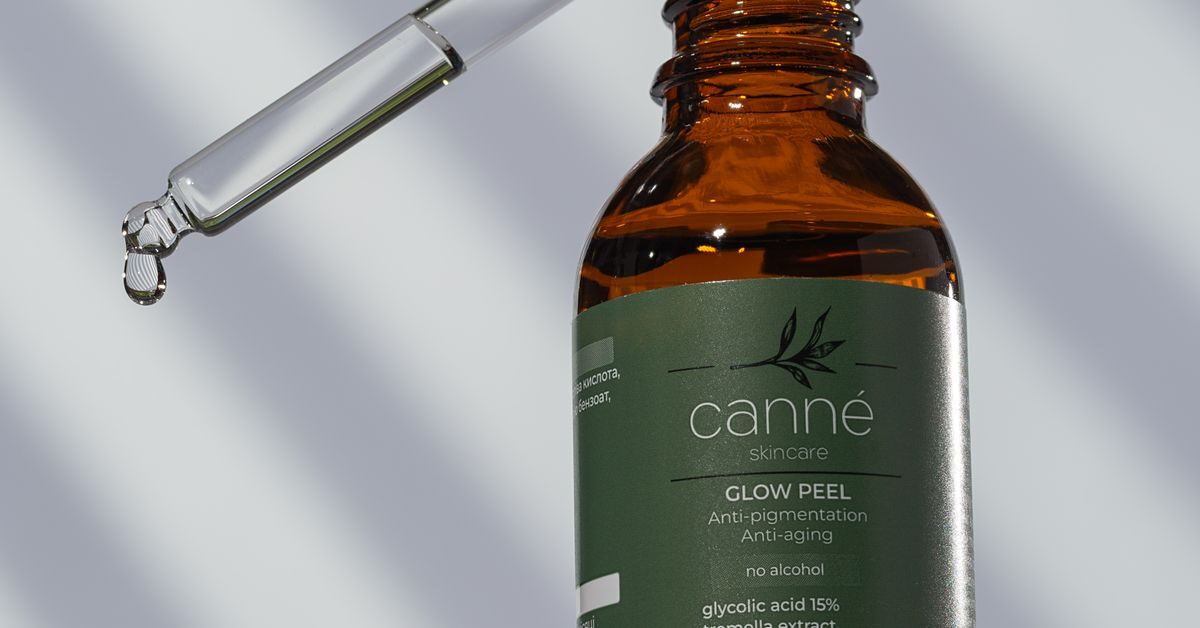
Glycolic acid is one of the most effective exfoliating ingredients available, known for smoothing texture, fading dullness and gently fading dark marks over time. It belongs to the alpha hydroxy acid (AHA) family and has the smallest molecule size among common AHAs, which lets it penetrate the skin’s surface efficiently. That same strength is why starting slowly matters more with glycolic acid than with many other actives.
Quick answer
Glycolic acid exfoliates the skin surface by loosening the bonds between dead skin cells, which smooths texture, brightens dullness and can fade mild pigmentation over time. Home-use products typically range from 5–10%, with occasional stronger peels used less often. Start 2–3 times a week at night, always moisturise, and apply sunscreen every morning since it increases sun sensitivity.
What is glycolic acid?
It is derived from sugar cane and is the smallest alpha hydroxy acid, which allows it to penetrate the skin’s outer layer more effectively than some other AHAs like lactic acid. This small size makes it particularly good at surface exfoliation, but also means it can feel stronger on sensitive skin if used too often or at too high a strength to start.
Ingredient card
Glycolic acid
| What it does | Exfoliates dead skin, smooths texture, brightens dullness, fades mild pigmentation |
| Safe home-use strength | 5–10%, building up gradually |
| Pairs well with | Niacinamide, moisturiser, sunscreen |
| Avoid layering with | Retinol or other acids on the same night, at first |
| Time of day | Usually at night; always with sunscreen the next morning |
6 proven benefits of glycolic acid
- Smooths rough texture: this AHA loosens dead skin cells for a softer surface.
- Brightens dull skin: removes the buildup that makes skin look tired.
- Fades mild pigmentation: this acid gives gradual improvement with consistent, correct use.
- Reduces the look of fine lines: supports a smoother surface over time.
- Helps with clogged pores: can reduce the buildup that contributes to blackheads.
- Improves product absorption: smoother skin can let serums and moisturisers work better.
Glycolic acid: safe strength for home use
| Product type | Typical strength | Best for |
|---|---|---|
| Cleanser | 4–10% | Short contact time; mild daily support |
| Toner or leave-on liquid | 5–10% | Regular exfoliation, 2–3 times a week |
| Overnight peel pads | 5–10%, sometimes higher | Occasional, more intensive exfoliation |
| Professional peels | 20–70% | Done by a dermatologist only, periodically |
Products over 10% are generally meant for occasional use or professional application rather than daily home use. Start with a lower percentage and build up slowly rather than reaching for the strongest product available.
How to use glycolic acid
- Patch test on your jawline for two to three days.
- Start at night, 2–3 times a week, after cleansing.
- Apply a thin layer with a cotton pad or your fingers, avoiding the eye area.
- Follow with a moisturiser once it has dried.
- In the morning, always apply SPF 30–50, since glycolic acid increases sun sensitivity.
If your skin tolerates it well after two to three weeks, you can increase frequency gradually. Watch for signs of over-exfoliation, such as redness, stinging or peeling, which mean cutting back.
Glycolic acid for different skin concerns
| Concern | How glycolic acid helps | Tips |
|---|---|---|
| Dullness | Removes the dead skin buildup causing a tired look | 2–3 nights a week is usually enough |
| Rough texture | Smooths the surface over several weeks | Pair with a hydrating moisturiser |
| Mild pigmentation | Speeds up surface cell turnover, helping marks fade | Combine with sunscreen for best results |
| Clogged pores | Helps clear surface buildup, though salicylic acid works better inside pores | Consider alternating nights with salicylic acid |
| Fine lines | Supports smoother-looking skin over time | Pairs well with a hydrating serum underneath |
What to pair with glycolic acid
| Combination | Verdict |
|---|---|
| With niacinamide | Good pair; niacinamide can reduce some irritation |
| With moisturiser | Essential; always follow with one |
| With retinol | Can irritate; alternate nights at first |
| With vitamin C | Usually fine when used at different times (vitamin C in the morning) |
| With salicylic acid | Avoid stacking; choose one exfoliant per night |
| With sunscreen | Essential every morning |
Check any combination in our Ingredient Clash Checker, and see our night skin care routine guide for the right order of steps.
Side effects of glycolic acid
- Stinging or tingling, especially when starting out
- Redness and peeling if used too often or at too high a strength
- Increased sun sensitivity, making daily sunscreen essential
- Rarely, an allergic reaction
Avoid using glycolic acid on broken, sunburnt or very irritated skin, and introduce it slowly if you have sensitive skin.
Glycolic acid vs other AHAs
| Ingredient | Molecule size | Strength of effect | Best for |
|---|---|---|---|
| Glycolic acid | Smallest | Strongest of the common AHAs | Dullness, texture, general exfoliation |
| Lactic acid | Larger | Gentler, also hydrating | Sensitive or dry skin needing exfoliation |
| Mandelic acid | Largest common AHA | Gentlest, slower acting | Very sensitive or deeper skin tones prone to irritation-related marks |
If this acid feels too strong, lactic or mandelic acid are gentler starting points with a similar general effect.
How long does glycolic acid take to work?
| Time | What to expect |
|---|---|
| Week 1–2 | Skin may feel smoother; some initial sensitivity is normal |
| Week 3–4 | Visible improvement in texture and dullness |
| Week 6–8 | Mild pigmentation may start to fade with consistent sunscreen use |
| Beyond 8 weeks | Maintenance 2–3 times a week |
Glycolic acid for beginners vs experienced users
| Experience level | Suggested approach |
|---|---|
| First time using any acid | Start at 5%, twice a week, patch test first |
| Comfortable with salicylic or lactic acid already | Can start at 7–10%, 2–3 times a week |
| Experienced, no sensitivity issues | May tolerate daily use of a 5–8% product, or occasional stronger peel pads |
Whatever your experience level, judge progress over weeks rather than days, and scale back immediately if you notice persistent redness or peeling.
Glycolic acid toners vs serums vs peel pads
| Format | Pros | Cons |
|---|---|---|
| Toner (liquid, cotton pad application) | Easy to control amount, widely available | Can be messy; easy to apply unevenly |
| Serum | Often paired with soothing ingredients | Usually pricier |
| Peel pads | Pre-measured, convenient for travel | Easy to over-apply if used too often |
Any of these formats can work well. The key is checking the percentage and starting with a lower-strength version regardless of which format you choose.
Whichever strength and format you choose, consistency over several weeks matters far more than reaching for the highest percentage you can find on a shelf.
When to pause glycolic acid use
| Situation | What to do |
|---|---|
| Before a known sun-heavy event, like a beach trip | Pause a few days before and resume after, with extra sunscreen diligence |
| During a flare of eczema or dermatitis | Pause until the skin barrier has recovered |
| When starting a new strong active, like a retinoid | Introduce one at a time rather than adding both together |
If in doubt about where to start, a lower-strength product used consistently for two months, then reassessed, is a far better strategy than guessing at a higher strength and risking a setback from irritation.
A quick final tip: apply it with a reusable cotton pad rather than your bare fingers, which gives you more even coverage and avoids transferring product unevenly across your face.
A quick final tip: avoid exercising heavily or sitting in direct sun right after application, since sweat and sun exposure on freshly treated skin can both increase the chance of irritation.
With sensible precautions in place, this remains a dependable, well-studied choice for anyone wanting smoother, brighter-looking skin.
See a dermatologist if
- Skin becomes very red, swollen or painful after use
- No improvement after 8–12 weeks of consistent, correct use
- You are using a strong peel at home above 10% without professional guidance
Key takeaways
- Glycolic acid is the smallest AHA, making it effective but potentially more irritating.
- Safe home-use strength is typically 5–10%.
- Start 2–3 nights a week and always moisturise.
- Pair it with daily sunscreen, since it increases sun sensitivity.
- Avoid stacking it with other strong acids or retinol at first.
Frequently asked questions
What does glycolic acid do for skin?
It exfoliates the surface, smoothing texture, brightening dullness and gradually fading mild pigmentation.
Is glycolic acid safe for sensitive skin?
It can be used cautiously at a low strength, but lactic or mandelic acid are often gentler starting points.
Can I use glycolic acid every day?
Many people start 2–3 times a week and build up; daily use depends on skin tolerance and the product strength.
Does glycolic acid lighten skin permanently?
No, it helps even out tone by speeding cell turnover, but regular sun protection is needed to maintain results.
Can I use glycolic acid with vitamin C?
Generally yes, if used at different times, such as vitamin C in the morning and glycolic acid at night.
Is glycolic acid better than salicylic acid?
They work differently: glycolic acid is better for dullness and texture, while salicylic acid works better inside oily, congested pores.
Used at a sensible strength and frequency, glycolic acid remains one of the most effective ingredients for smoother, brighter-looking skin, as long as sunscreen is part of the daily routine.
This article is for general information only and is not medical advice. It has not been reviewed by a doctor. For any skin or hair condition, consult a dermatologist.
