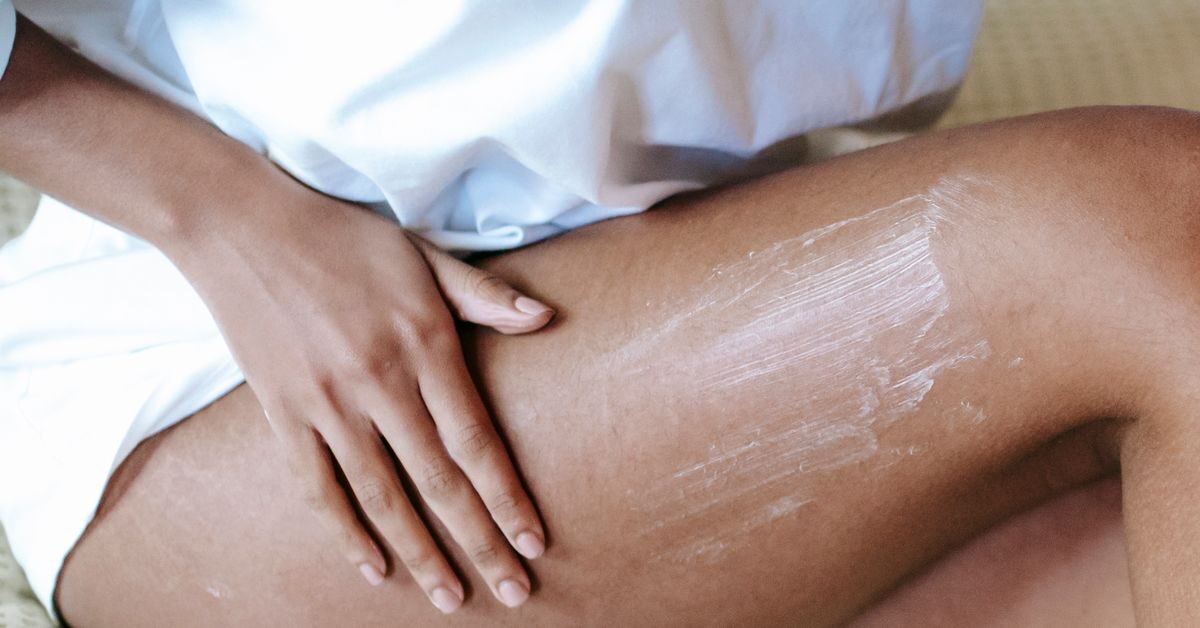
Back acne, sometimes called “bacne,” is often harder to treat than facial acne simply because it is difficult to see and reach, and because clothing, sweat and friction all add extra triggers that the face does not usually deal with. A targeted approach that accounts for these differences works better than simply applying facial acne advice to the back.
Quick answer
Back acne is treated with many of the same ingredients as facial acne, such as salicylic acid and benzoyl peroxide, but delivered as a wash left on briefly in the shower since the back is harder to reach with leave-on products. Breathable clothing, prompt showering after sweating, and avoiding heavy, oily lotions on the back all help prevent new breakouts.
What causes back acne
| Cause | Why it triggers breakouts |
|---|---|
| Sweat trapped against skin | Tight or synthetic clothing keeps sweat and oil against the skin for longer |
| Friction | Backpack straps, tight bra bands or gym equipment can irritate follicles |
| Heavy body lotions or oils | Can clog pores on the back just as products can clog facial pores |
| Hormonal fluctuations | Can trigger breakouts on the back similarly to the face |
| Hair product runoff | Conditioner or styling product rinsing down the back during a shower |
Treating back acne with washes
Because leave-on treatments are hard to apply evenly across your own back, a wash containing salicylic acid or benzoyl peroxide, left on for one to two minutes before rinsing, is usually the most practical first step. This gives the active ingredient time to work without needing someone else to apply a cream to hard-to-reach areas daily.
Back acne treatment options compared
| Option | Best for | Note |
|---|---|---|
| Salicylic acid wash | Mild to moderate back acne, blackhead-prone | Good first option for most people |
| Benzoyl peroxide wash | More inflamed, red breakouts | Can bleach dyed bedsheets and towels |
| Prescription options | Severe or cystic back acne | Needs a dermatologist, sometimes oral treatment |
Preventing back acne day to day
- Shower as soon as possible after sweating, rather than staying in damp workout clothes.
- Choose breathable, moisture-wicking fabric over tight synthetic materials when possible.
- Apply hair conditioner with your head tilted back or shower at the end to limit runoff onto the back.
- Avoid heavy, oil-based body lotions on acne-prone areas of the back.
- Change bedsheets and towels regularly, since they can harbour oil and bacteria against skin overnight.
Back acne and exercise habits
Tight-fitting gym wear, especially if worn for a long commute to and from a workout before showering, is a common and underappreciated contributor to back acne. Changing out of sweaty workout clothes as soon as reasonably possible, rather than running errands in them, meaningfully reduces how long sweat and friction act on the skin.
Back acne scarring and marks
Because the back has thicker skin than the face in most people, breakouts there can sometimes leave more noticeable dark marks or textured scarring if picked or left inflamed for long periods. Avoiding picking at back breakouts, even though they are harder to see and therefore easier to absentmindedly scratch, reduces the chance of lasting marks considerably.
When over-the-counter treatment is not enough
Deep, painful, cystic bumps on the back that do not respond to washes within 6–8 weeks often need a dermatologist, who may prescribe an oral antibiotic, oral retinoid, or other treatment better suited to widespread or severe body acne. Severe back acne is also more likely than facial acne to leave permanent scarring if left untreated for a long stretch, which makes earlier medical input more worthwhile.
Back acne and diet, briefly
While diet is not considered a primary cause of back acne for most people, some notice a pattern between high-sugar or high-dairy intake and worse breakouts, though this varies significantly between individuals and is not universal. Rather than making drastic dietary changes on a hunch, tracking breakouts alongside diet for a few weeks can clarify whether a personal pattern actually exists.
Choosing the right fabric and laundry habits
| Habit | Why it helps |
|---|---|
| Cotton or moisture-wicking synthetic blends | Allow sweat to evaporate rather than sit against skin |
| Washing workout clothes after every use | Prevents bacteria and oil buildup in fabric |
| Avoiding fabric softener on acne-prone laundry | Some softeners can leave a residue that irritates sensitive, breakout-prone skin |
| Loose-fitting tops for sleep | Reduces friction against the back overnight |
Small laundry and fabric choices like these rarely get mentioned in typical acne advice, but for back acne specifically, they often make a noticeable difference alongside whichever wash or treatment is being used.
Reaching areas you cannot see well
A long-handled body brush or a wash mitt attached to a pole, often sold for exactly this purpose, makes it far easier to apply a treatment wash evenly across the whole back rather than relying on a partner or guessing where product landed while showering. Consistency in actually covering the full affected area matters as much as the specific product chosen.
Back acne in different seasons
| Season | Adjustment |
|---|---|
| Hot, humid months | More frequent washing and lighter, oil-free body lotion |
| Cooler, drier months | A plain, non-comedogenic moisturiser on clear areas to prevent flaking without clogging pores |
| Festival or wedding season | Starting treatment a few weeks ahead rather than the week before an event, since results take time |
Confidence in sleeveless and backless outfits
Many people avoid certain clothing specifically because of visible back breakouts, which adds an understandable emotional weight beyond the physical discomfort. Treating the underlying cause consistently, rather than only covering up during flare-ups, tends to restore both clearer skin and the confidence to wear what you actually want to wear for an event or a regular day out, without having to plan outfits around hiding a breakout.
Progress photos, taken under consistent lighting every couple of weeks, are a useful way to notice gradual improvement that might otherwise be easy to miss day to day, especially on an area of the body that is hard to see directly in a mirror. Asking a family member or using two mirrors to check progress every few weeks keeps the assessment objective rather than relying on memory of how skin looked a month ago, since memory tends to either overstate or understate gradual change in either direction.
A simple weekly checklist
- Use a treatment wash 3–4 times a week, left on for a minute or two before rinsing.
- Wear breathable fabric for exercise and change out of it promptly afterward.
- Switch to a lighter body lotion if a heavier one has been in use.
- Wash bedsheets and towels on a regular schedule, not only when visibly dirty.
- Take a progress photo every two weeks under similar lighting.
Sticking to this checklist for a full eight weeks, even through weeks that feel like nothing is changing, gives the clearest and fairest test of whether a particular routine is actually working before deciding to switch products again.
Realistic timeline for improvement
| Time | What to expect |
|---|---|
| Weeks 1–2 | Skin adjusts to a new wash; minimal visible change |
| Weeks 3–4 | Fewer new breakouts if habits and products are consistent |
| Weeks 6–8 | Noticeably clearer back for mild to moderate cases |
| 8+ weeks | Dermatologist input worth considering if little improvement has occurred |
See a dermatologist if
- Breakouts are deep, painful or cystic rather than typical surface bumps
- No improvement after 6–8 weeks of a consistent over-the-counter routine
- Back acne is leaving noticeable scarring or dark marks
- Breakouts spread rapidly or are accompanied by fever or feeling unwell
Key takeaways
- Back acne often needs a wash-based treatment rather than leave-on products, since the area is hard to reach.
- Sweat, friction and heavy body lotions are common, preventable triggers.
- Salicylic acid and benzoyl peroxide washes are a reasonable first step for mild to moderate back acne.
- Showering promptly after sweating and wearing breathable fabric both help prevent flare-ups.
- Severe, cystic back acne usually needs a dermatologist rather than over-the-counter treatment alone.
Frequently asked questions
What causes back acne?
Sweat trapped against skin, friction from clothing, heavy body lotions, and hormonal changes are common causes.
How do you treat back acne?
A salicylic acid or benzoyl peroxide wash, left on briefly before rinsing, is a practical first treatment for most cases.
Does back acne scar more than facial acne?
It can, partly because the skin is thicker and breakouts are harder to monitor and avoid picking at.
How long does back acne take to clear?
Mild to moderate back acne often improves within 6–8 weeks of consistent treatment and prevention habits.
Can tight clothing cause back acne?
Yes, tight, non-breathable clothing traps sweat and friction against the skin, which can trigger breakouts.
When should I see a dermatologist for back acne?
If breakouts are deep, painful or cystic, or show no improvement after 6–8 weeks of consistent treatment.
Treating back acne with the right wash-based products and a few preventive habits usually clears mild to moderate breakouts without needing prescription treatment, and most people see a clear improvement within two months of staying consistent with their chosen routine.
This article is for general information only and is not medical advice. It has not been reviewed by a doctor. For any skin or hair condition, consult a dermatologist.
