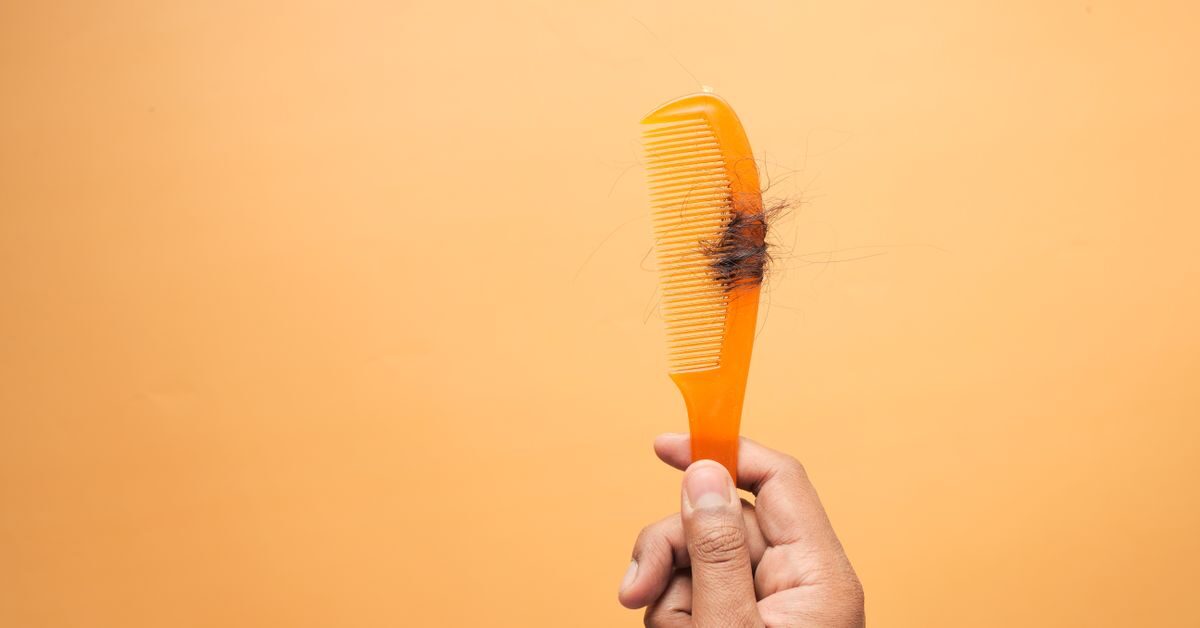
Minoxidil is the most studied and widely available topical treatment for pattern hair loss, used by both men and women across India. Unlike many hair serums with limited evidence, minoxidil has decades of research behind it and is approved in many countries specifically for treating androgenetic alopecia, the genetic thinning that affects the crown and hairline in men and overall density in women.
Quick answer
Minoxidil is a topical treatment, usually at 2% or 5% strength, applied directly to the scalp once or twice daily to treat pattern hair loss. It works by extending the hair growth phase and increasing blood flow to follicles. Visible results typically take 3–6 months, an initial, temporary increase in shedding is common in the first few weeks, and hair loss usually resumes if you stop using it.
What is minoxidil and how does it work?
Minoxidil was originally developed as a blood pressure medicine, and hair growth was noticed as a side effect. Applied to the scalp, it is thought to widen blood vessels around hair follicles and extend the anagen (growth) phase of the hair cycle, which allows more hairs to grow for longer and some thinner hairs to thicken over time.
Minoxidil strengths: 2% vs 5%
| Strength | Commonly used by | Notes |
|---|---|---|
| Lower strength (2%) | Originally the standard strength for women | Lower risk of facial hair growth with regular use |
| Higher strength (5%) | Commonly used by men; also used by some women under guidance | Generally considered more effective, but with a higher chance of side effects like facial hair growth in women |
| 5% foam | Men and women | Foam formulas can reduce some of the greasy or itchy feel of the liquid version |
Many women are advised to start with 2% or a 5% foam formula specifically to reduce the risk of unwanted facial hair, while men commonly use 5% liquid or foam. Always follow the guidance on the product label or from a dermatologist for your specific situation.
How to use minoxidil
- Apply to a clean, dry scalp, parting the hair to reach the areas of thinning.
- Use 1 ml (or the dropper’s marked amount) spread across the affected area, usually once or twice daily depending on the strength and product instructions.
- Allow it to dry fully, generally 2–4 hours, before using other hair products, going to bed, or washing your hair.
- Wash your hands after application unless you are also treating the hands or using it on your beard.
- Apply consistently; missing doses reduces how well it works.
Tip: This treatment works best on the crown and general thinning areas. It is generally less effective for a receding hairline at the very front, since that area may respond differently.
How long does minoxidil take to work?
| Time | What to expect |
|---|---|
| Weeks 2–6 | Possible increase in shedding; this is usually temporary and often a sign the product is working |
| Months 2–4 | Fine, new hairs (called vellus hairs) may start appearing |
| Months 4–6 | Visible improvement in density for many users |
| Month 6 onward | Continued use needed to maintain results |
Patience is essential, since hair follicles cycle slowly. Many people give up before month three or four, right when results typically start becoming visible. You can track your progress with our free Norwood scale hair loss test.
What happens if you stop using minoxidil?
Any hair growth gained through this treatment is generally maintained only with continued, regular application. If you stop, most people gradually return to the hair pattern they would have had without treatment, usually within a few months to a year. This is an important factor to consider before starting, since it is typically a long-term commitment rather than a one-time fix.
Minoxidil side effects
| Side effect | How common | Notes |
|---|---|---|
| Scalp itching or dryness | Common | Often improves with a foam formula or a moisturising scalp serum |
| Initial increased shedding | Common, especially in the first weeks | Usually temporary |
| Unwanted facial hair (in women) | More likely with 5% strength | Lower strength or foam can reduce this risk |
| Lightheadedness or rapid heartbeat | Rare | Seek medical advice if this occurs |
| Allergic contact dermatitis | Uncommon | Often related to propylene glycol in some formulas; a foam without this ingredient may help |
| Unwanted hair growth on the face from product transfer | Occasional | Wash hands after application and avoid touching other areas |
Who should avoid minoxidil or ask a doctor first
- People with a known heart condition, since minoxidil can affect blood pressure in some cases.
- Pregnant or breastfeeding women, unless specifically advised by a doctor.
- Anyone with scalp psoriasis, eczema or an open wound on the scalp.
- People under 18, unless guided by a dermatologist.
Minoxidil vs other hair loss options
| Option | Evidence level | Notes |
|---|---|---|
| Minoxidil | Strong, widely studied | First-line, OTC or pharmacy treatment for pattern hair loss |
| Finasteride (oral, for men) | Strong | Prescription only; works differently, by blocking a hormone involved in hair loss |
| Redensyl | Limited | Cosmetic ingredient; see our Redensyl guide |
| Rosemary oil | Limited, one notable small trial | See our rosemary oil guide |
| Biotin | Limited unless deficient | See our biotin for hair guide |
Some people combine minoxidil with a cosmetic serum or oil for scalp comfort, but always check with a dermatologist before combining multiple active treatments, since this can increase irritation.
Minoxidil and scalp health in Indian weather
In hot, humid weather, the liquid formula can feel heavier and greasier; a foam version is often more comfortable for daily use. If you also deal with dandruff or an itchy scalp, treating that separately with an antifungal shampoo such as ketoconazole shampoo, on different days, can help overall scalp comfort alongside minoxidil treatment.
Minoxidil and realistic expectations
Response varies significantly between individuals; some people see substantial regrowth, others mainly see a slowing of further loss, and a small number see little change. Genetics, the stage of hair loss when starting, and consistency of use all influence the outcome, which is why dermatologists often recommend trying it for a full 6 months before deciding whether it is working for you.
Buying minoxidil in India
| Format | Where available |
|---|---|
| Liquid solution | Pharmacies, often over the counter |
| Foam | Pharmacies and online, generally less messy |
| Combination products with other actives | Check ingredient lists carefully and introduce one new product at a time |
Always check the strength and expiry date, and store it away from direct heat and sunlight.
Minoxidil FAQs people often skip asking
| Question | Short answer |
|---|---|
| Can I dye or perm my hair while using it? | Generally yes, but apply minoxidil after such treatments once the scalp is not irritated |
| Can I use it with a hair transplant? | Often recommended afterward to support existing hair; follow your surgeon’s specific guidance |
| Does sweating wash it off? | Light sweating is usually fine once it has fully dried, roughly 2–4 hours after application |
Patience and consistency with this treatment
Because results depend on months of unbroken daily use, building it into an existing habit, such as right after brushing your teeth, makes it far easier to stay consistent than relying on memory alone.
Combining minoxidil with hair styling habits
Avoid tight hairstyles, excessive heat styling and harsh brushing while using minoxidil, since physical damage to hair can undercut the benefit of any treatment aimed at the follicles themselves.
A quick final tip: keep the bottle somewhere visible, like next to your toothbrush, since the biggest reason minoxidil fails for many people is simply forgetting doses, not the treatment itself being ineffective.
See a dermatologist if
- You notice chest pain, rapid heartbeat or sudden swelling after use
- You are pregnant, trying to conceive or breastfeeding
- Hair loss is sudden, patchy or accompanied by scalp pain or scaling
- You want to combine minoxidil with other prescription hair treatments
Key takeaways
- Minoxidil is a well-studied topical treatment for pattern hair loss.
- It is commonly used at 2% or 5% strength, once or twice daily.
- Initial shedding in the first weeks is common and often temporary.
- Visible results usually take 3–6 months of consistent use.
- Hair loss typically resumes if you stop using it.
Frequently asked questions
Does minoxidil really regrow hair?
It can help regrow some hair and slow further thinning for many people with pattern hair loss, though results vary.
Is 5% minoxidil better than 2%?
5% is often considered more effective, but carries a slightly higher risk of side effects, especially facial hair growth in women.
How long before minoxidil shows results?
Most people see visible changes after 3–6 months of consistent daily use.
What happens if I stop using minoxidil?
Hair gained through treatment is usually lost gradually over months once you stop, returning to the pattern you would have had without it.
Can women use minoxidil?
Yes, minoxidil is commonly used by women, often starting at a lower strength or foam formula to reduce side effects.
Is the initial hair shedding from minoxidil normal?
Yes, a temporary increase in shedding during the first few weeks is common and often a sign the hair cycle is resetting.
Minoxidil remains one of the best-supported options for pattern hair loss, and consistent, correct use over several months gives it the best chance to work.
This article is for general information only and is not medical advice. It has not been reviewed by a doctor. For any skin or hair condition, consult a dermatologist.
