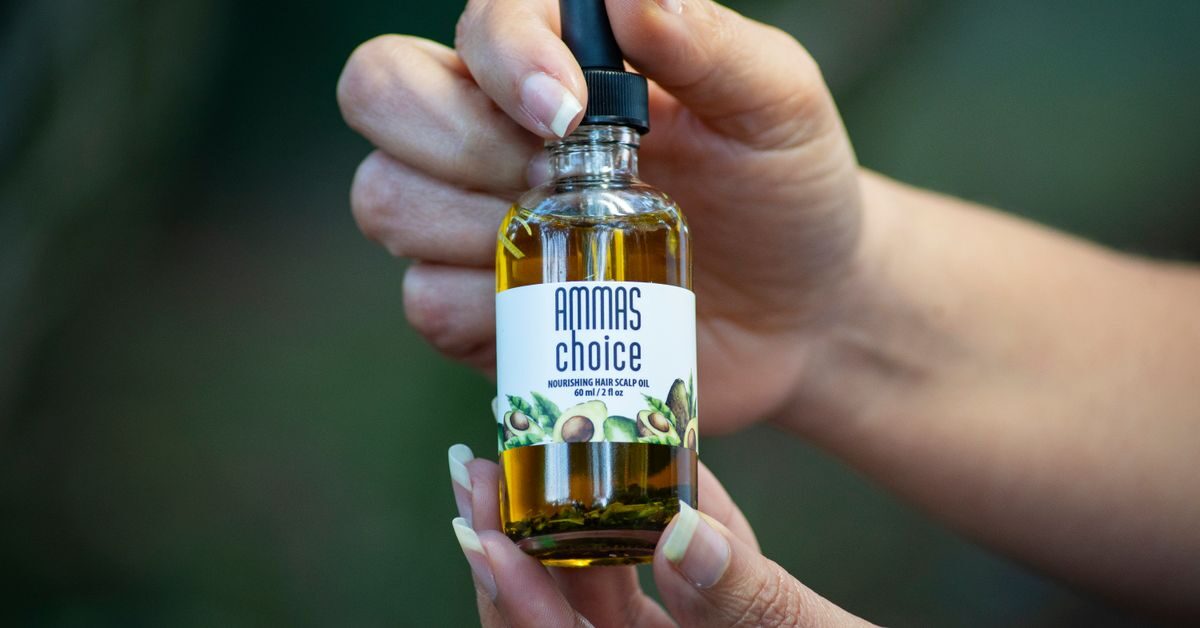
Dry scalp remedies work best once you know what is actually causing the dryness, since flaking, itching and tightness can come from more than one source. A genuinely dry scalp lacks oil and moisture, while dandruff, a very common look-alike, is usually caused by a yeast overgrowth and needs a different approach. Mixing up the two is the most common reason home remedies fail.
Quick answer
Effective dry scalp remedies include switching to a gentle, sulphate-free shampoo, washing less often with hot water, massaging in a light oil before shampooing, and using a hydrating conditioner on the scalp itself, not just the hair ends. If flakes are yellowish, greasy or come with redness, it is more likely dandruff, which responds better to an antifungal shampoo than to oils and moisturisers alone.
Dry scalp vs dandruff: how to tell the difference
| Sign | Dry scalp | Dandruff |
|---|---|---|
| Flake appearance | Small, dry, white flakes | Larger, oily or yellowish flakes |
| Scalp feel | Tight, itchy, sometimes flaky skin elsewhere too | Can feel oily despite flaking |
| Main cause | Lack of moisture and oil | Yeast overgrowth (Malassezia) and excess oil |
| Season pattern | Often worse in dry winter | Can occur year-round, sometimes worse in humidity |
| Best first step | Gentle, hydrating shampoo | Antifungal shampoo such as ketoconazole shampoo |
If you are not sure which you have, it is reasonable to try a gentle, hydrating approach for two weeks. If flaking does not improve or looks more oily than dry, switch to an antifungal shampoo instead.
What causes a dry, flaky scalp?
| Cause | Why it dries the scalp |
|---|---|
| Harsh, sulphate-heavy shampoo | Strips natural oils with every wash |
| Hot water | Removes oil and moisture from the scalp skin |
| Dry winter air or air conditioning | Reduces moisture in the air and skin |
| Over-washing | Does not allow natural oils to replenish |
| Hard water | Can leave a residue that dries out the scalp |
| Eczema or psoriasis | Underlying skin conditions can cause scalp dryness and flaking |
| Excessive heat styling | Dries both hair and the scalp beneath it |
7 dry scalp remedies that actually help
1. Switch to a gentle, sulphate-free shampoo
Sulphates clean effectively but can strip natural oils with every wash. A gentle, sulphate-free formula cleans without over-drying the scalp.
2. Wash with lukewarm, not hot, water
Hot water feels good but draws more moisture out of the scalp. Lukewarm water cleans just as well without the drying effect.
3. Reduce washing frequency slightly
Washing every day can be too much for a dry scalp. Try every other day, or every two to three days, and see if dryness improves.
4. Oil the scalp before washing
A light application of coconut, jojoba or almond oil, massaged in 30 minutes to a few hours before shampooing, can soften flakes and soothe dryness. Avoid leaving heavy oil on overnight in very humid weather, since it can also trap sweat and dirt.
5. Use a hydrating conditioner on the scalp too
Many people apply conditioner only to hair lengths. A light, hydrating conditioner on the scalp itself, rinsed well, can help with dryness without feeling heavy.
6. Try a gentle scalp exfoliant occasionally
A mild scalp scrub or a soft brush once every week or two can help remove dry flakes gently, without scratching or damaging the scalp skin.
7. Protect your scalp from harsh weather
A scarf or cap in cold, dry wind, and limiting direct heat from styling tools, both help reduce moisture loss from the scalp.
Home remedies: what helps and what to avoid
| Remedy | Verdict | Notes |
|---|---|---|
| Coconut or almond oil massage | Helps | Light application before washing; do not overdo it |
| Aloe vera gel | Helps mild dryness and itching | Soothing; apply and rinse after 20–30 minutes |
| Apple cider vinegar rinse | Use with caution | Very diluted only; undiluted can irritate sensitive scalp skin |
| Lemon juice on the scalp | Avoid | Acidic and can irritate or sting |
| Excessive hot oil treatments | Avoid overdoing | Can leave a heavy residue that is hard to wash out |
| Switching shampoos every week | Avoid | Give one gentle shampoo at least 2–3 weeks before judging it |
A simple weekly plan for dry scalp
| Day | Plan |
|---|---|
| Wash days (every 2–3 days) | Oil the scalp 30 minutes before washing, use a gentle sulphate-free shampoo, hydrating conditioner on scalp and lengths |
| Non-wash days | Avoid touching or scratching the scalp; keep hair covered in harsh wind |
| Weekly | Gentle scalp massage or soft brush to loosen dry flakes |
If dandruff-like flaking continues despite these steps, our ketoconazole shampoo guide covers the antifungal approach, and checking how your hair and scalp absorb products with our hair porosity test can help you choose the right oils and conditioners.
Dry scalp and hair fall
A very dry, flaky, itchy scalp can sometimes contribute to a slightly uncomfortable environment for hair, but it is not usually a major direct cause of hair loss. If you notice both a dry, irritated scalp and significant shedding, treating the scalp condition is reasonable, but persistent hair fall is worth checking separately; see our guide on Redensyl or rosemary oil for hair growth for additional options alongside scalp care.
Dry scalp remedies for different seasons in India
| Season | Common scalp issue | Remedy focus |
|---|---|---|
| Summer and monsoon | Sweat plus product buildup can still dry out some scalps | Lightweight oils, wash more often if needed |
| Winter | Classic dry, flaky, itchy scalp | Richer oils before washing, lukewarm water, cover in cold wind |
| Air-conditioned offices year-round | Low humidity dries the scalp indoors | A light leave-in scalp mist or serum if flaking is persistent |
Dry scalp remedies and hair washing habits
- Avoid scratching, even when itchy, since it can break the skin and cause irritation.
- Use your fingertips, not nails, to massage the scalp while washing.
- Rinse shampoo and conditioner thoroughly, since leftover product residue can itself cause dryness and flaking.
- Pat the scalp dry gently rather than rubbing vigorously with a towel.
Dry scalp remedies: when oiling backfires
Oil can genuinely soothe a dry scalp, but using too much, too often, or leaving it on for very long periods can trap sweat, dirt and old product against the skin, especially in humid weather. A light application, left on for 30 minutes to a few hours before washing, usually works better than an overnight heavy oiling every single day.
Dry scalp remedies for coloured or chemically treated hair
Hair colour, keratin treatments and other chemical processes can dry out both the hair and the scalp underneath. If you have treated hair, choose a shampoo labelled for coloured or treated hair alongside your usual dry scalp remedies, and space out chemical treatments where possible to let the scalp recover.
Dry scalp remedies and overall hair health
A well-cared-for scalp supports healthier-looking hair overall, since it is the base every strand grows from. Combining these dry scalp remedies with gentle handling of wet hair, a balanced diet and regular trims keeps both scalp and hair in better condition over time.
Dry scalp remedies: a note on stress
Stress does not directly dry out the scalp, but it can disrupt sleep and skin barrier repair generally, which may make an already dry, sensitive scalp feel worse. Managing stress alongside the physical dry scalp remedies above supports steadier results.
See a dermatologist if
- The scalp is red, swollen, oozing or painful
- Flaking does not improve after 3–4 weeks of gentle, consistent care
- You suspect eczema or psoriasis on the scalp
- Hair fall is heavy or sudden alongside the scalp symptoms
Key takeaways
- Dry scalp lacks moisture and oil; dandruff is usually a yeast-related condition.
- A gentle, sulphate-free shampoo and lukewarm water are good first steps.
- Oiling the scalp before washing can soften dry flakes.
- Hydrate the scalp itself with conditioner, not just hair lengths.
- See a dermatologist if symptoms persist or worsen.
Frequently asked questions
What is the fastest way to fix a dry, flaky scalp?
Switch to a gentle sulphate-free shampoo, wash with lukewarm water, and oil the scalp lightly before washing. Give it 2–3 weeks to judge results.
How can I tell if it is dry scalp or dandruff?
Dry scalp flakes are usually small and dry; dandruff flakes tend to be larger, oilier or yellowish, often with more itching.
Is oiling good for a dry scalp?
Yes, a light oil massage before washing can help soften flakes and soothe dryness, as long as it is washed out properly.
Can hard water cause a dry scalp?
It can contribute, since mineral residue from hard water may leave the scalp feeling dry and rough.
Should I wash my hair less if my scalp is dry?
Often yes. Washing every other day or every two to three days, instead of daily, can help a dry scalp recover.
When should I see a doctor for a dry scalp?
If flaking, redness or itching persists beyond 3–4 weeks despite gentle care, or if you suspect eczema or psoriasis.
Most dry scalp remedies work best when combined, gentle cleansing, lukewarm water, light oiling and proper scalp hydration, given a few consistent weeks to show results.
This article is for general information only and is not medical advice. It has not been reviewed by a doctor. For any skin or hair condition, consult a dermatologist.
