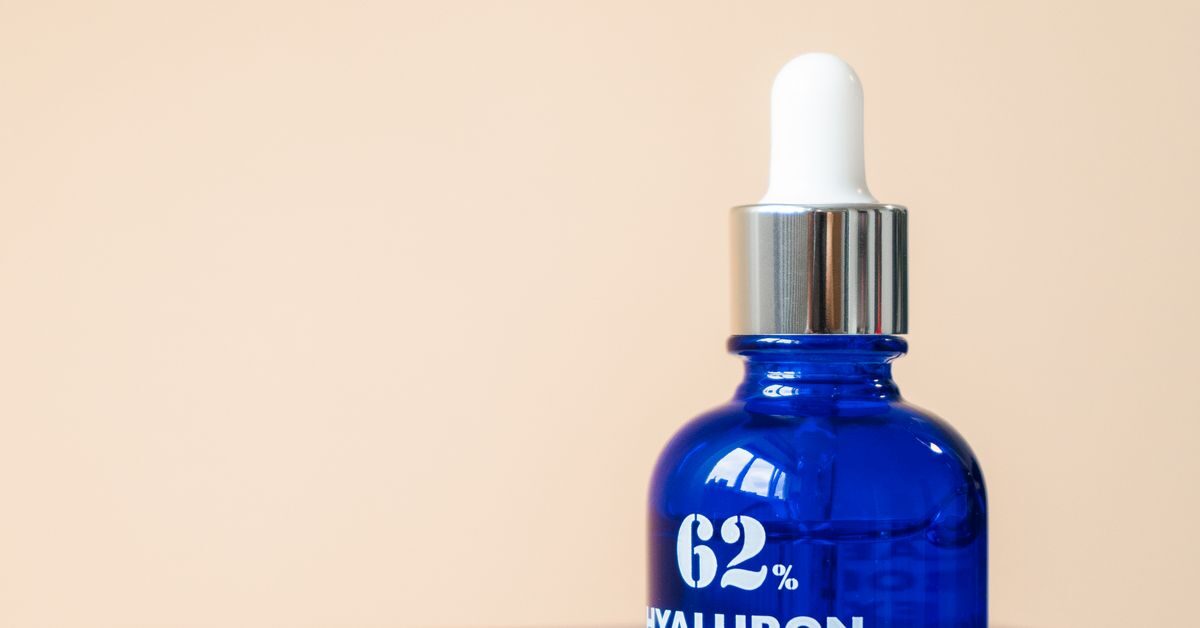
Hyaluronic acid is the most common hydrating ingredient in moisturisers and serums, and it suits almost every skin type, including oily and acne-prone skin. It works as a humectant, meaning it draws water to the skin and holds onto it. However, one common mistake, using it in a dry room without sealing it in, can leave skin feeling tighter instead of softer.
Quick answer
Hyaluronic acid is a humectant that can hold many times its weight in water, which plumps and hydrates skin. Serums typically combine several molecular weights at 0.1–2% total. Apply it to slightly damp skin, then seal it with a moisturiser within a minute or two, especially in dry or air-conditioned rooms, or it can pull moisture out of the skin instead of in.
What is hyaluronic acid?
Hyaluronic acid is a sugar molecule that occurs naturally in the skin, joints and eyes, where it helps retain water and cushion tissue. Skin naturally contains less of it as people age, which is one reason skin can look less plump over time. In skincare, hyaluronic acid (often listed as sodium hyaluronate, a more stable salt form) is added to serums, moisturisers and masks to top up this hydration.
Ingredient card
Hyaluronic acid
| What it does | Draws and holds water in the skin for a plumper, softer look |
| Typical strength | 0.1–2%, often as a blend of molecular weights |
| Suits | Nearly all skin types, including oily and acne-prone |
| Pairs well with | Niacinamide, vitamin C, moisturiser, sunscreen |
| Key tip | Apply to damp skin and seal with moisturiser |
6 proven benefits of hyaluronic acid
- Deep hydration: this humectant holds large amounts of water against the skin.
- Plumper look: can soften the appearance of fine dehydration lines.
- Suits sensitive skin: generally well tolerated with few reactions.
- Lightweight layering: absorbs quickly and works under other products.
- Supports barrier function: well-hydrated skin resists irritation better.
- Works for oily skin too: oily skin can still be dehydrated and benefit from it.
Molecular weight: why it matters
This ingredient comes in different molecular weights, and this affects how it behaves on skin. Low molecular weight molecules are smaller and can reach slightly deeper into the surface layers, but may cause mild irritation in very sensitive skin. High molecular weight molecules sit on the surface and form a hydrating film. Many serums blend several weights to hydrate at different levels at once.
| Molecular weight | Where it works | Feel on skin |
|---|---|---|
| High | Skin surface | Forms a smooth, hydrating film |
| Medium | Upper skin layers | Balances surface feel and penetration |
| Low | Slightly deeper surface layers | Lighter; occasionally mild tingling in sensitive skin |
| Blend (most serums) | Multiple layers at once | Usually the best all-round hydration |
How to use hyaluronic acid
- Cleanse your face, then pat it only slightly dry (a little dampness helps).
- Apply 2–3 drops of hyaluronic acid serum to your face.
- Within a minute or two, apply a moisturiser to seal in the hydration.
- In the morning, follow with sunscreen.
- Use once or twice daily.
Tip: Never apply hyaluronic acid serum to completely dry skin in a very dry or air-conditioned room without a moisturiser on top. The humectant can draw moisture from deeper skin layers to the dry surface, leaving skin feeling tighter, not softer.
Hyaluronic acid by skin type
| Skin type | How to use it | Best moisturiser pairing |
|---|---|---|
| Oily | Thin serum, once or twice daily | Light gel moisturiser |
| Dry | Serum plus a richer cream on top | Cream with ceramides or shea butter |
| Combination | All over, lighter cream on the T-zone | Lotion |
| Sensitive | Fragrance-free serum | Simple, soothing moisturiser |
| Mature | Serum under a nourishing night cream | Richer cream with peptides or retinoids |
Not sure which group fits you? Our how to know your skin type guide covers four simple home tests.
What to pair with hyaluronic acid
| Combination | Verdict |
|---|---|
| Niacinamide pairing | Excellent; a very common gentle pairing |
| Vitamin C pairing | Good; vitamin C serum first, then hyaluronic acid |
| Retinol pairing | Good; it can reduce retinol dryness |
| BHA pairing | Good; counters the drying effect of exfoliating acids |
| Sunscreen pairing | Essential as a finishing step |
Build a complete plan with our Skincare Routine Builder, or check any pairing with the Ingredient Clash Checker.
Common mistakes with hyaluronic acid
| Mistake | Why it backfires | Fix |
|---|---|---|
| Using it alone, with no moisturiser | Water evaporates, leaving skin drier | Always seal it with a cream |
| Applying to bone-dry skin | Less water available to draw in | Apply to slightly damp skin |
| Using too much | No extra benefit; can feel sticky | 2–3 drops is usually enough |
| Expecting instant plumping | Effects build with consistent use | Use daily for several weeks |
| Skipping it because skin is oily | Oily skin can still be dehydrated | A light hyaluronic acid serum suits most oily skin too |
HA injections vs skincare serums
It is worth knowing the difference: dermal filler injections that use this ingredient are a medical procedure done by a doctor to add volume under the skin. Skincare serums work only on the surface and cannot replace that effect. They hydrate and plump the look of skin temporarily, not permanently reshape the face.
Hyaluronic acid for Indian weather
- In humid weather, a lighter serum alone may feel sufficient, but a thin moisturiser still helps lock it in.
- In dry winter or air-conditioned offices, pair it with a richer moisturiser to prevent dehydration.
- After sun exposure or a long day outdoors, a hydrating serum can help calm tight, dehydrated-feeling skin alongside your usual sunscreen routine.
Hyaluronic acid serums vs moisturisers with hyaluronic acid
| Product | What it does best |
|---|---|
| Serum | Delivers a concentrated dose, layered under moisturiser |
| Moisturiser with it added | Combines hydration and a light seal in one step; good for simpler routines |
| Sheet mask with it | A short, intensive hydration boost, not a replacement for daily care |
Either a dedicated serum or a well-formulated moisturiser containing it can work well. The serum-plus-moisturiser combination generally gives the most noticeable hydration for very dry or dehydrated skin.
Who should be cautious with it
It is one of the gentlest ingredients in skincare, and true reactions are rare. Even so, introduce any new product gradually, and stop if you notice unexpected redness or breakouts, since other ingredients in a specific formula, such as fragrance, are more likely culprits than the ingredient itself.
A simple test for how much your skin needs
If skin still feels tight 10 minutes after applying a hyaluronic acid serum and moisturiser, try a slightly richer cream or add a second thin layer of serum before sealing it in. If skin feels comfortable and a little dewy, your current amount and layering are working well for the local weather and your skin needs.
A note on supplements and drinks with this ingredient
Oral supplements and drinks containing it are sometimes marketed for skin hydration from within. Evidence for a strong visible effect on the skin specifically from oral forms is limited compared with topical serums. A good topical serum, sealed with moisturiser, remains the more directly useful option for visible hydration.
Final tips for using this ingredient well
Keep the rest of your layering light underneath it, and give your full routine, serum plus moisturiser plus sunscreen, a few consistent weeks before judging the results. Plumper, more comfortable-feeling skin is usually the first sign it is working well for you.
A closing thought on expectations
This ingredient hydrates well, but it is not an anti-ageing treatment on its own and will not change skin structure the way retinoids or professional treatments can. Think of it as the hydration layer that supports everything else in your routine, rather than the single active doing all the work.
See a dermatologist if
- Skin feels persistently tight and uncomfortable despite regular moisturiser use
- You develop a rash or breakout after starting a new hyaluronic acid product
- Dehydration is severe or accompanied by other health symptoms
Key takeaways
- Hyaluronic acid draws and holds water in the skin.
- Serums often blend several molecular weights for layered hydration.
- Always seal it with a moisturiser, especially in dry air.
- It suits nearly every skin type, including oily skin.
- Pairs well with niacinamide, vitamin C and sunscreen.
Frequently asked questions
What does hyaluronic acid do for skin?
It is a humectant that draws and holds water in the skin, giving a plumper, more hydrated look.
Can oily skin use hyaluronic acid?
Yes. Oily skin can still be dehydrated, and a lightweight hyaluronic acid serum can help without adding oil.
Should I apply hyaluronic acid to wet or dry skin?
Slightly damp skin works best, followed quickly by a moisturiser to seal in the hydration.
Can I use hyaluronic acid every day?
Yes, most people use it once or twice daily as part of their regular routine.
Does hyaluronic acid reduce wrinkles?
It can soften the look of fine, dehydration-related lines by plumping the skin, but it does not act like a filler.
Can I use hyaluronic acid with retinol?
Yes. It can help reduce the dryness that retinol sometimes causes.
Used correctly, hyaluronic acid is a simple, well-tolerated way to keep skin hydrated, as long as it is sealed in with a moisturiser suited to your skin type and the weather.
This article is for general information only and is not medical advice. It has not been reviewed by a doctor. For any skin or hair condition, consult a dermatologist.
