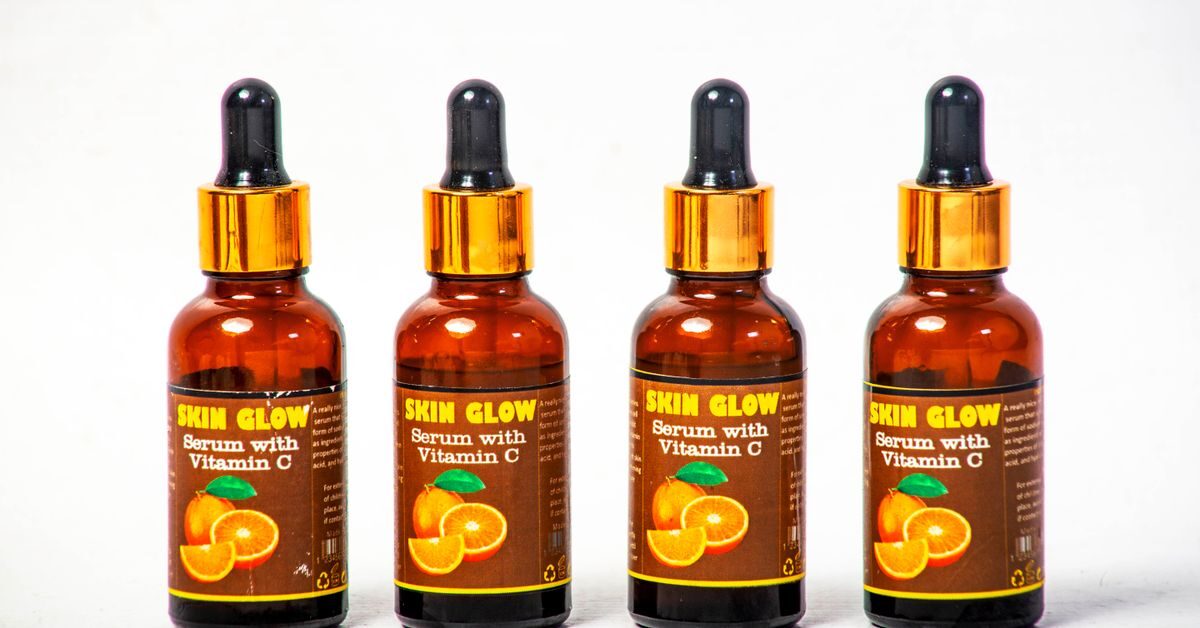
Vitamin C serum is one of the most popular morning skincare steps in India, and for good reason: it brightens dull skin, supports collagen and helps defend against daily sun and pollution exposure. However, vitamin C is also one of the trickiest ingredients to formulate well, since it breaks down quickly in air, light and heat. Knowing what to look for on the label makes a real difference.
Quick answer
A good vitamin C serum uses 10–20% L-ascorbic acid, or a gentler derivative at a higher percentage, in an opaque, airtight bottle. Apply it in the morning after cleansing and before moisturiser and sunscreen. Store it away from sunlight and heat, and replace it if it turns dark yellow or brown, which means it has oxidised.
How this antioxidant works on skin
Vitamin C is an antioxidant, which means it helps neutralise free radicals created by UV rays and pollution before they damage skin cells. It also plays a role in collagen production and can slow the enzyme that creates excess pigment. Together, these actions brighten skin tone, soften the look of fine lines over time, and give some extra defence against daily environmental stress.
6 proven benefits of vitamin C serum
- Brightens dull skin and evens out tone over several weeks.
- Antioxidant protection against free radicals from sun and pollution.
- Supports collagen production, which keeps skin firm.
- Fades dark spots gradually, especially combined with sunscreen.
- Boosts sunscreen by adding a layer of antioxidant defence (it does not replace sunscreen).
- Improves the look of dullness caused by pollution and sun exposure, common in Indian cities.
Types of vitamin C and which to choose
| Form | Strength used | Stability | Notes |
|---|---|---|---|
| L-ascorbic acid | 10–20% | Less stable; needs good packaging | Gold standard; most researched form |
| Sodium ascorbyl phosphate | 5–10% | More stable | Gentler; suits sensitive skin |
| Ethyl ascorbic acid | 10–15% | More stable | Good middle ground |
| Tetrahexyldecyl ascorbate | 5–10% (oil-soluble) | Very stable | Often in oil-based serums |
| Magnesium ascorbyl phosphate | 3–10% | Moderately stable | Common in gentler formulas |
L-ascorbic acid at 10–20% has the most research behind it, but it is also the most likely to irritate sensitive skin and the least stable once opened. If your skin is reactive, a derivative like sodium ascorbyl phosphate is a reasonable, gentler starting point.
How to choose a good vitamin C serum
- Check the percentage is stated, ideally 10–20% for L-ascorbic acid.
- Look for opaque, airless pump bottles rather than clear glass with a dropper.
- A pH between 3 and 3.5 helps L-ascorbic acid absorb, though most shoppers cannot test this at home.
- Added vitamin E and ferulic acid can improve stability and effectiveness.
- Smell and colour matter: a fresh serum is usually light and has little odour.
Paste the ingredient list into our Skincare Ingredient Checker to see at a glance whether a product also contains fragrance or other common irritants.
How to use vitamin C serum
- Cleanse your face and pat it dry.
- Apply 3–4 drops of serum to your face and neck.
- Wait a minute or two for it to absorb.
- Follow with a moisturiser.
- Finish with sunscreen; vitamin C works alongside sunscreen, not instead of it.
Most people use it once a day, in the morning. Some also use it at night, though morning use makes the most of its antioxidant role against daytime sun and pollution exposure.
Tip: If your serum turns dark yellow, orange or brown, or smells different from when you opened it, it has oxidised and lost much of its effect. Replace it rather than finishing the bottle out of habit.
What to pair with vitamin C serum
| Combination | Verdict | Notes |
|---|---|---|
| Vitamin C + sunscreen | Essential | Serum does not replace sunscreen |
| Vitamin C + vitamin E and ferulic acid | Good | Often combined in one formula for stability |
| Vitamin C + niacinamide | Usually fine | Older advice said they clash; modern formulas handle this well |
| Vitamin C + retinol | Better split | Vitamin C in the morning, retinol at night |
| Vitamin C + AHA/BHA acids | Can irritate together | Use acids at night, vitamin C in the morning |
| Vitamin C + alpha arbutin or kojic acid | Good for pigmentation | Can be used in the same or different routines |
For more on pairing actives safely, use our Ingredient Clash Checker, or see our night skin care routine guide for the evening side of your plan.
Side effects of vitamin C serum
- Mild tingling or redness, especially with L-ascorbic acid
- Breakouts if the formula is heavy or poorly suited to oily skin
- Rarely, an allergic reaction
- Staining of fabric if the serum oxidises and turns orange
Start every new vitamin C serum with a patch test behind the ear or on the jawline for two to three days, especially if you have sensitive skin.
Vitamin C serum for Indian weather and skin
| Factor | Why it matters | What helps |
|---|---|---|
| High UV year-round | More free radical exposure | Daily vitamin C plus sunscreen |
| Pollution in cities | Adds oxidative stress to skin | Antioxidants like vitamin C help counter this |
| Humidity | Can make heavier serums feel sticky | Choose a lightweight, fast-absorbing formula |
| Melanin-rich skin | More prone to post-inflammatory dark marks | Vitamin C plus sunscreen helps marks fade |
How long does vitamin C serum take to work?
| Time | What you may notice |
|---|---|
| Weeks 1–2 | Slightly brighter, fresher-looking skin |
| Weeks 4–8 | Visible improvement in dullness and tone |
| Weeks 8–12 | Fading of some dark spots with consistent sunscreen use |
| Ongoing | Daily use maintains antioxidant protection |
A simple weekly plan for vitamin C serum
| Day | Morning routine |
|---|---|
| Every day | Cleanse, vitamin C serum, moisturiser, sunscreen |
| If skin feels sensitive | Use every other morning instead, then build up to daily |
| Alongside night actives | Keep retinol or strong acids for the evening routine only |
This keeps the antioxidant working during the hours it matters most, while sunscreen handles direct UV protection.
Vitamin C serum for beginners
If you have never used an active serum before, start with a lower concentration, such as 10% or a gentler derivative, rather than jumping straight to a 20% L-ascorbic acid formula. Apply every other morning for the first two weeks, then move to daily use once your skin has adjusted.
Troubleshooting a vitamin C serum that is not working
| Problem | Likely reason | Fix |
|---|---|---|
| No change after 8 weeks | Serum may have oxidised, or strength is too low | Check the colour and smell; consider a higher strength if tolerated |
| Stinging every time | Formula may be too acidic or strong for your skin | Switch to a gentler derivative |
| Breakouts after starting | The base formula may be heavy for your skin type | Choose a lighter, oil-free formula |
| Orange staining on pillowcases | Serum has oxidised | Replace the bottle |
Vitamin C serum for different budgets
| Budget | What to prioritise |
|---|---|
| Lower budget | A stable derivative at a lower price point used consistently beats an expensive serum used rarely |
| Mid-range | 10–15% L-ascorbic acid in opaque packaging |
| Higher budget | 20% L-ascorbic acid with added vitamin E and ferulic acid for extra stability |
Consistent daily use of an affordable, well-stored serum generally outperforms an expensive one that gets used only occasionally or stored poorly on a sunny windowsill.
A quick note on layering order
Apply products from thinnest to thickest texture: cleanser, then vitamin C serum, then moisturiser, then sunscreen last. This order helps each layer absorb properly instead of sitting on top of a heavier product underneath.
See a dermatologist if
- You develop a persistent rash, swelling or burning after use
- Dark spots keep spreading despite daily sunscreen
- You notice a sudden change in a mole or dark patch
Key takeaways
- Vitamin C serum brightens skin and offers antioxidant protection.
- L-ascorbic acid at 10–20% is the most researched form.
- Use opaque, airtight packaging and replace an oxidised serum.
- Apply in the morning before sunscreen, which it works alongside.
- Patch test first, especially with sensitive skin.
Frequently asked questions
What does vitamin C serum do for skin?
It brightens tone, offers antioxidant protection against sun and pollution, and supports collagen over time.
What strength of vitamin C serum is best?
10–20% L-ascorbic acid is well studied. Gentler derivatives at higher percentages suit sensitive skin.
Can I use vitamin C serum every day?
Yes, most people use it once daily, typically in the morning.
Does vitamin C serum replace sunscreen?
No. It adds antioxidant support but does not block UV rays the way sunscreen does.
Why did my vitamin C serum turn orange?
It has oxidised and lost potency. Store it away from heat and light, and replace it once it changes colour.
Can I use vitamin C with niacinamide?
Yes, in most modern formulas. Older claims that they cancel each other out are largely outdated.
In short, a well-formulated vitamin C serum, used consistently each morning alongside sunscreen, is one of the most useful additions to a routine aimed at brighter, more even-looking skin.
This article is for general information only and is not medical advice. It has not been reviewed by a doctor. For any skin or hair condition, consult a dermatologist.
