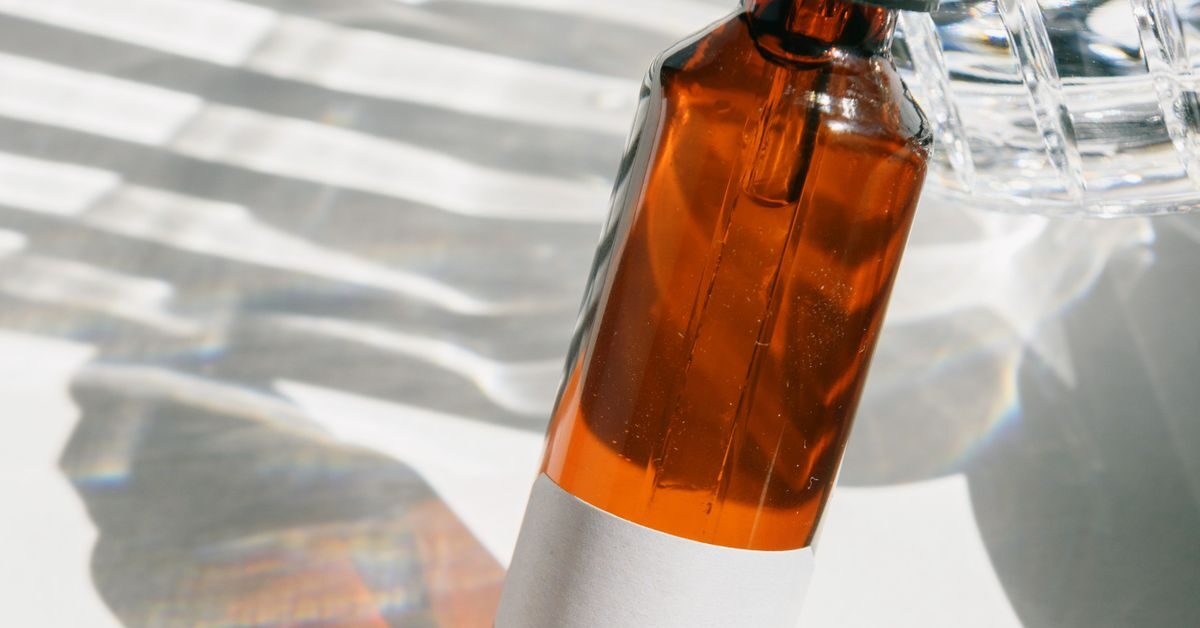
Kojic acid is a skin-brightening ingredient that fades dark spots, tan and uneven tone by slowing the production of melanin. It is found in serums, creams and the popular kojic soaps sold across India. Used correctly, at around 1%, it can help pigmentation fade over a few weeks. Used carelessly, however, it can irritate the skin and even cause new dark patches.
Quick answer
Kojic acid works by blocking tyrosinase, the enzyme skin needs to make pigment. A concentration of up to 1% is considered safe in face and hand products. Apply it once or twice a day after cleansing, always use sunscreen, patch test first, and expect visible results in 6–12 weeks.
What is kojic acid?
Kojic acid is a natural compound produced by certain fungi, including Aspergillus oryzae, which is used to make sake and soy sauce. Researchers noticed its skin-lightening effect decades ago, and today it is a common ingredient in products for pigmentation, melasma marks and tan.
Ingredient card
Kojic acid
| What it does | Fades dark spots, tan and post-acne marks; evens skin tone |
| Safe strength | Up to 1% in face and hand products |
| Pairs well with | Niacinamide, vitamin C, alpha arbutin, glycolic acid, sunscreen |
| Avoid layering with | Strong peels or retinoids on the same night if your skin is sensitive |
| Time of day | Morning or night; always with sunscreen in the day |
How kojic acid works
Melanin is made in skin cells called melanocytes with the help of an enzyme called tyrosinase. It binds the copper that tyrosinase needs, so less pigment is produced. Consequently, existing dark spots fade gradually as skin renews, and new pigment forms more slowly. It does not bleach or remove existing melanin instantly, which is why patience matters.
7 proven benefits of kojic acid
- Fades dark spots: sun spots and age spots lighten over several weeks.
- Lightens post-acne marks: the brown marks left after pimples on Indian skin.
- Helps tan fade faster: alongside daily sunscreen.
- Evens skin tone: reduces patchiness around the mouth and cheeks.
- Supports melasma care: often used in combination creams, though melasma needs a dermatologist.
- Mild antioxidant effect: helps protect skin from some environmental stress.
- Antimicrobial activity: lab studies show some effect against bacteria and fungi.
Safe strength: what the rules say
The European Commission’s Scientific Committee on Consumer Safety concluded that kojic acid is safe at up to 1% in face and hand products. Most well-formulated serums and creams stay at 1% or below. Higher strengths are more likely to irritate and do not reliably work better. Therefore, avoid unlabelled products that promise rapid whitening.
| Product type | Typical level | Best for |
|---|---|---|
| Serum | 0.5–1% | Targeted dark spots and marks |
| Cream | 0.5–1% | All-over uneven tone |
| Soap or face wash | Varies; short contact time | Mild support only, as it is rinsed off |
| Combination creams | Often with arbutin or vitamin C | Stubborn pigmentation |
How to use kojic acid
- Patch test on your jawline for three days.
- Cleanse and pat your skin dry.
- Apply a pea-sized amount of the serum or cream to pigmented areas or the whole face.
- Follow with moisturiser.
- In the morning, finish with SPF 30–50 and PA+++ or PA++++.
Start once a day for two weeks. If your skin tolerates it, you can use it twice a day. Meanwhile, keep other strong actives to a minimum so you can tell what is working.
Are kojic soaps worth it?
Kojic acid soap is popular in India, but soap stays on the skin for only a minute before you rinse it off. Moreover, many soaps are alkaline and drying. A leave-on serum or cream is therefore more effective for pigmentation. If you like the soap, use it with a moisturiser, and stop if your skin feels tight or itchy.
What to pair it with
| Combination | Verdict |
|---|---|
| With niacinamide | Good pair: both reduce pigment through different routes |
| With vitamin C | Good pair for brightening; use vitamin C in the morning |
| With alpha arbutin | Common combination in pigment serums |
| With glycolic acid | Effective but can sting; start slowly |
| With retinol | Use on different nights if your skin is sensitive |
Check any combination in our Ingredient Clash Checker, and paste a product label into the Skincare Ingredient Checker to spot fragrance or drying alcohol.
Kojic acid side effects
- Redness, stinging or itching, especially on sensitive skin
- Contact dermatitis (an allergic rash) in some people
- Dryness or peeling
- Rarely, darker patches if the skin becomes irritated and inflamed
Kojic acid is also unstable: it can turn yellow or brown when exposed to air and light. As a result, store products in a cool, dark place and replace any that change colour. Avoid broken or sunburnt skin, and ask a doctor before use if you are pregnant or breastfeeding.
How it compares with other pigment ingredients
| Ingredient | Strength | Speed | Gentleness |
|---|---|---|---|
| Kojic acid | Up to 1% | Moderate | Moderate |
| Alpha arbutin | Up to 2% (face) | Moderate | High |
| Niacinamide | 2–5% | Slow to moderate | High |
| Vitamin C | 10–15% | Moderate | Moderate |
| Azelaic acid | 10–20% | Moderate | Moderate to high |
| Tranexamic acid | 2–5% topical | Moderate | High |
If kojic acid irritates you, niacinamide and alpha arbutin are gentler options. For broader advice on uneven tone after sun exposure, and how kojic acid fits alongside other steps, read our guide on how to remove tan from face.
Who should consider it?
This ingredient suits people with brown spots after pimples, sun spots, freckles and patchy tan. It also helps when uneven tone around the mouth or forehead bothers you. On the other hand, it is not ideal if your skin is very reactive, if you have eczema, or if your skin barrier is damaged from over-exfoliating. In those cases, repair the barrier first with a simple moisturiser for two to four weeks.
| Concern | Is it a good fit? | Notes |
|---|---|---|
| Post-acne marks | Yes | Treat active acne first |
| Sun spots and freckles | Yes | Daily sunscreen is essential |
| Patchy tan | Yes, as support | Tan fades faster with sun protection |
| Melasma | Sometimes | Needs a dermatologist plan |
| Very sensitive or eczema-prone skin | Use caution | Try niacinamide or alpha arbutin first |
| Dark underarms or elbows | Sometimes | Friction and other causes need checking |
How to choose a good product
- Check that the label lists the strength, ideally around 1%.
- Prefer opaque, air-tight bottles or tubes, because the ingredient breaks down in light and air.
- Look for helpful partners such as niacinamide, vitamin C or alpha arbutin.
- Avoid heavy fragrance if your skin is sensitive.
- Skip products that promise “whitening in 7 days”; real fading takes weeks.
Before buying, paste the ingredient list into our Skincare Ingredient Checker. It flags fragrance, drying alcohol and common irritants in seconds.
Sample weekly routine for dark spots
| Day | Morning | Night |
|---|---|---|
| Mon–Sun | Gentle cleanser, niacinamide serum, moisturiser, SPF 50 PA++++ | Gentle cleanser, kojic acid serum, moisturiser |
| Two nights a week (optional) | Same as above | Swap the pigment serum for a mild AHA if your skin tolerates it |
Keep this routine for at least eight weeks before judging it. Meanwhile, take a photo every two weeks in the same light, because slow changes are hard to notice day to day. If you want a routine built around your skin type and city, try our Skincare Routine Builder.
What results to expect, week by week
| Time | What you may notice |
|---|---|
| Weeks 1–2 | Skin adjusts; mild tingling may occur |
| Weeks 3–6 | Post-acne marks start to look lighter |
| Weeks 6–12 | Visible fading of spots and more even tone |
| Beyond 12 weeks | Maintenance; results depend on daily sunscreen |
See a dermatologist if
- Patches are spreading or look like melasma (brown-grey patches on cheeks, forehead or upper lip)
- A rash, swelling or blistering appears after use
- Pigmentation does not improve after 3 months of correct use and daily sunscreen
Key takeaways
- Kojic acid fades pigment by blocking tyrosinase.
- Up to 1% is considered safe in face and hand products.
- Leave-on serums and creams work better than soap.
- Always pair it with daily sunscreen.
- Patch test first and stop if irritation appears.
Frequently asked questions
Is kojic acid safe for daily use?
Yes, at up to 1% for most people. Start once a day, patch test first and stop if you notice redness or a rash.
How long does kojic acid take to work?
Most people see dark spots fade after 6–12 weeks of consistent use with daily sunscreen.
Can I use kojic acid with niacinamide?
Yes. They reduce pigment in different ways and are often combined.
Does kojic acid remove tan?
It helps tan fade faster, but sunscreen is what stops new tan forming.
Is kojic acid good for sensitive skin?
It can irritate sensitive skin. Start at a low strength a few times a week, or try gentler options like niacinamide or alpha arbutin.
Is kojic acid soap better than a serum?
Usually not. Soap is rinsed off quickly, so a leave-on serum or cream gives better results.
In short, kojic acid is a useful, affordable option for dark spots and tan when you keep it at 1%, introduce it slowly and never skip sunscreen.
This article is for general information only and is not medical advice. It has not been reviewed by a doctor. For any skin or hair condition, consult a dermatologist.
